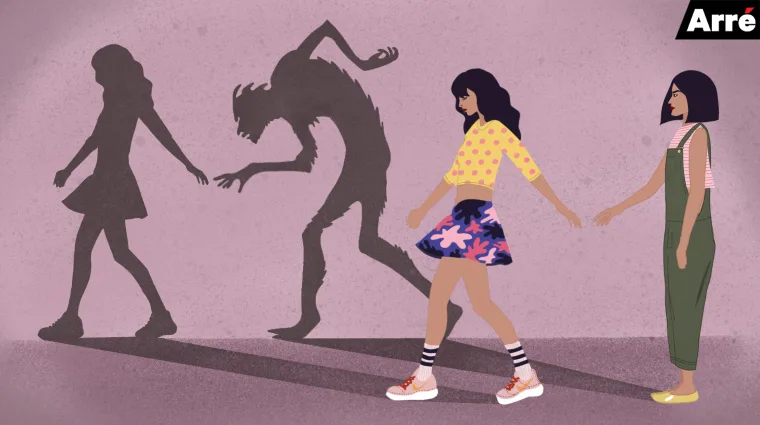
Toxicity: The Hidden Killer of Peace
Understanding Toxicity and Protecting Your Peace
We have all heard the word “toxic” thrown around countless times. “He is toxic.” “I can’t stay in this toxic relationship.” “My parents are toxic.” “I am toxic.” “This society is toxic.” It has become a convenient label, a way to explain what feels uncomfortable, confusing, or unbearable. But have we ever truly paused to ask ourselves what toxicity really is?
Is it always someone else who is toxic to us? Or could it be that we, too, carry a version of that toxicity in our words, our actions, or even in the silence that breeds misunderstanding? Do we really know the boundaries between being harmed by others and harming others, knowingly or unknowingly?
Toxicity is rarely a simple, visible thing. It is subtle, creeping into relationships, thoughts, and societies in ways that are often unrecognizable at first. It can manifest as judgment, resentment, envy, or neglect. It can hide in polite smiles, casual dismissals, or the harshness of unspoken words. And the most painful truth is that peace, true, lasting peace, is impossible to nurture where toxicity lives unchecked, whether it originates outside of us or within.
We often feel comfortable with certain types of people. We say to ourselves, these are my people, I am comfortable with them. Everyone else in this universe suddenly seems toxic, threatening our peace, disturbing our comfort. We convince ourselves that we are safe with our people and the rest are dangerous or poisonous to our well-being.
Ironically, it is with these very people, our trusted circle, that we often talk about the world and label others as toxic. We discuss who is harmful, who is untrustworthy, and who has wronged us. These conversations make us feel safe, validated, and even morally correct.
But have you ever stopped to consider that in time, your own people may reveal a different face? That the comfort you once felt might have been built on subtle toxicity that you did not recognize? Perhaps they were always toxic in some ways, but you were not ready to see it. Perhaps you have grown, changed, and evolved, and only now can you perceive the toxicity that was quietly shaping your life. Have you ever truly thought about this? That the very people who made you feel safe could have been the source of unseen pain all along?
As we grow and evolve, our perception of the world and the people around us shifts. What once felt comforting may start to feel heavy, restrictive, or even harmful. The people we once trusted without question may reveal behaviors, patterns, or attitudes that quietly chipped away at our peace. Toxicity is not always loud or obvious. It can live in small moments of control, judgment, dismissal, or unmet expectations that we ignored because we were not ready to recognize them.
Growth often comes with the painful realization that some of the toxicity we feared outside may have been closer than we imagined. The very people who shaped our early sense of belonging, who we called family, friends, or mentors, can sometimes become mirrors reflecting what we no longer accept in our lives. Recognizing this is not easy. It brings discomfort, guilt, and even grief. But it is necessary. For only by acknowledging the subtle toxins around us and within us can we begin to reclaim peace and clarity.
The first step in protecting our peace is learning to recognize toxicity, both outside and within ourselves. Toxicity in others can appear as manipulation, constant criticism, selfishness, or a lack of empathy. It can also be quieter, manifesting as subtle pressure, judgment, or indifference that chips away at our confidence and happiness. But just as important is recognizing the toxicity that may live within us. We carry anger, resentment, envy, and unresolved pain that can spill into our interactions, leaving a trail of discomfort or harm.
Acknowledging our own toxicity is uncomfortable, yet it is essential. When we take responsibility for the ways we harm others, whether intentionally or unconsciously, we begin to break the cycle. When we notice toxic patterns in others, we have a choice: to engage, to forgive, to distance, or to let go. Peace is not about avoiding all toxic people, nor about pretending harm does not exist. It is about seeing clearly, making conscious choices, and refusing to let toxicity dictate the quality of our inner world.
Understanding toxicity is not a final destination but a continuous journey. It requires courage, reflection, and sometimes solitude. It requires us to confront truths that are uncomfortable but necessary. In learning to navigate toxicity, we do not just survive the world around us. We reclaim our power, restore our peace, and create a life that is rooted in clarity, compassion, and awareness.
In the end, toxicity is not simply a label we attach to others. It is a reality that lives in relationships, in societies, and sometimes within ourselves. The hidden killer of peace is not always obvious, and it does not announce itself. It seeps quietly into our lives, shaping thoughts, feelings, and choices until we no longer recognize the calm we once sought.
The journey is not about escaping the world or avoiding people entirely. It is about awareness, discernment, and growth. It is about learning to see clearly who and what nourishes our peace, and who and what diminishes it. It is about courage, the courage to confront toxicity, to forgive ourselves for our own shadows, and to make space for connection that uplifts rather than harms.
True peace is not passive. It is an active, conscious choice. It begins when we acknowledge the subtle poisons around and within us, when we refuse to let them define us, and when we commit to living with clarity, compassion, and integrity. Toxicity may be hidden, but peace, once nurtured, is transformative. It is not found in avoiding the world. It is found in navigating it with awareness, choosing what we allow into our hearts, and reclaiming the calm that has always been ours to hold.
READ MORE POSTS
← BACK TO HOME